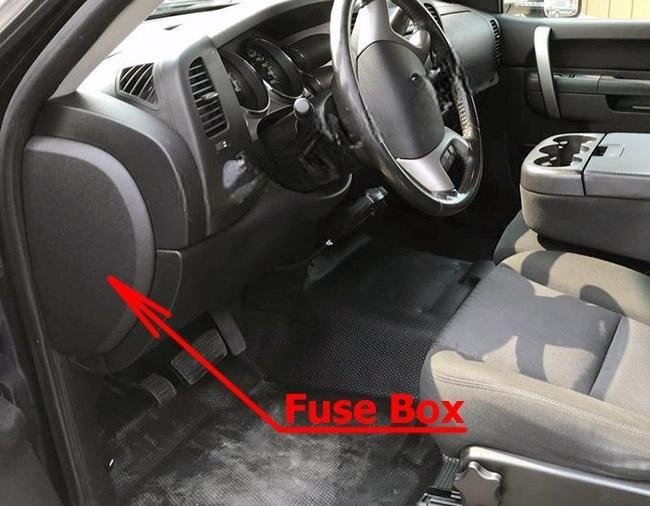
When the Second Generation Chevrolet Silverado (2007-2013) rolled off the assembly line, it wasn't just another truck; it was a statement. This era of the Silverado didn't just meet expectations for toughness and utility—it shattered them, delivering a blend of refinement, power, and capability that quickly redefined what a full-size pickup could be. From its award-winning debut to its sophisticated heavy-duty variants, this generation cemented the Silverado's reputation as a truck built for serious work, serious play, and serious comfort.
At a Glance: Why the 2007-2013 Silverado Still Matters
- Award-Winning Start: Kicked off with "North American Truck of the Year" and "Motor Trend Truck of the Year" awards in 2007.
- Complete Redesign: Featured an all-new exterior, interior, frame, and suspension for a smoother ride and enhanced performance.
- Powertrain Powerhouse: Introduced Generation IV V8 engines with Active Fuel Management and saw the widespread adoption of 6-speed automatic transmissions.
- Hybrid Innovation (Briefly): Offered a unique two-mode hybrid model for improved fuel efficiency.
- Heavy-Duty Overhaul: The 2011 HD models received a massively upgraded, fully-boxed steel frame and suspension for unparalleled towing and hauling.
- Versatile Configurations: Available in Regular, Extended, and Crew Cab configurations with two- or four-wheel drive, catering to diverse needs.
- Lasting Value: Remains a popular choice in the used truck market due to its robust build, capable engines, and comfortable interior.
A Truck Reborn: The GMT900's Grand Entrance
The launch of the GMT900 platform Silverado in late 2006 for the 2007 model year wasn't incremental; it was revolutionary. General Motors didn't just tweak the existing formula; they scrapped it and started fresh. This generation replaced the popular GMT800 models (which continued briefly as "Classic" in 2007) with a truck that looked, felt, and performed distinctly better. The extensive redesign touched every aspect: a bolder, more aerodynamic exterior, a vastly improved interior, a stiffer frame, and a more refined suspension system.
This commitment to innovation didn't go unnoticed. The 2007 Silverado quickly earned prestigious accolades, including the North American Truck of the Year and Motor Trend magazine's Truck of the Year awards. These honors weren't just for show; they reflected a genuine leap forward in the full-size truck segment, setting new benchmarks for ride quality, cabin refinement, and overall capability.
Choices Galore: Cab Styles, Drivetrains, and Trim Levels
One of the Silverado's enduring strengths has always been its adaptability, and the second generation was no exception. Buyers had a wide array of options to tailor their truck precisely to their lifestyle and workload.
You could choose from three distinct cab configurations:
- Two-door regular cabs: The traditional workhorse, often favored for fleets or basic utility.
- Four-door extended cabs: Featuring unique 170-degree front-opening rear doors, these offered flexible seating and cargo space without the full length of a crew cab.
- Four-door crew cabs: The ultimate family hauler or job site command center, providing ample rear legroom and easy access.
All cab styles were available in either two-wheel-drive (2WD) for efficiency or four-wheel-drive (4WD) for enhanced traction and off-road capability.
Trim levels ranged from the no-nonsense Work Truck (WT), which even gained a crew cab option during this generation, all the way up to the luxurious LTZ. The interior experience also varied significantly depending on the trim, offering either a more traditional, upright dash for lower trims or a luxury-inspired dash for the LTZ (and its GMC Sierra SLT counterpart), replete with higher-quality materials and more creature comforts. This choice allowed buyers to balance utility with upscale amenities, something truly appreciated by those who spent long hours in their truck.
Under the Hood: Power and Efficiency Evolutions
The heart of the Second Generation Silverado lay in its powerful and increasingly efficient engine lineup. This era marked a significant shift from Generation III V8 engines to the more advanced Generation IV small-block V8s.
The key engine offerings included:
- Vortec 4.3L V6: The base engine, suitable for lighter duties.
- Vortec 4.8L V8: A popular step up, offering more power for daily driving and light towing.
- Vortec 5.3L V8: A perennial favorite, balancing strong performance with reasonable fuel economy. Many 5.3L engines in this generation featured Active Fuel Management (AFM), a technology designed to improve efficiency by deactivating cylinders during light-load conditions. This system, while innovative, has been a point of discussion among owners regarding its long-term reliability and potential oil consumption issues. For more details on truck powertrain innovations, consider understanding truck engine technology.
- Vortec 6.0L V8: Offered in various forms, including a heavy-duty version, providing even more grunt for tougher tasks. Later models with the 6.0L also gained AFM.
- Vortec 6.2L V8: Initially exclusive to the Sierra Denali 1500 in 2007 (403 hp, 417 lb⋅ft torque) and paired with a six-speed automatic, this powerhouse eventually became available in the Silverado 1500 LT/LTZ for the 2009 model year. It transformed the half-ton truck into a formidable performance machine, capable of 0-60 mph in just 6.3 seconds.
Transmission technology also evolved dramatically. While earlier models started with four-speed automatics, the six-speed 6L80 automatic transmission became increasingly common, significantly improving both performance and fuel efficiency. It was initially available with the 6.2L V8, then expanded to extended and crew cab 5.3L V8 models in 2009, and finally became standard on Regular Cab 5.3L V8 models by 2010.
The Hybrid Experiment
In late 2008, for the 2009 model year, Chevrolet introduced a two-mode hybrid Silverado. Exclusively offered as a Crew Cab in 2WD or 4WD, this model combined a 6.0-liter V8 with two 60-kilowatt electric motors, delivering a combined 379 horsepower. The aim was improved city fuel economy. While technologically advanced for its time, the hybrid model, unfortunately, suffered from poor sales and was discontinued after the 2013 model year, highlighting the challenges of early hybrid adoption in the truck segment.
Year-by-Year Refinements: What Changed When
While the core GMT900 platform remained consistent, Chevrolet continuously refined the Silverado with annual updates and mid-cycle refreshes to keep it competitive and responsive to consumer feedback.
2009 Updates: Practicality and Connectivity
- Exterior Tweaks: All 1500 models received a revised bumper and a slightly shortened front fascia for a cleaner look.
- Transmission Expansion: The advanced six-speed 6L80 automatic transmission became available for extended and crew cab models equipped with the Vortec 5300 V8.
- More Power Options: The formidable Vortec 6200 V8 was made available across more Silverado LT/LTZ and Sierra SLE/SLT models.
- Technology Integration: Bluetooth connectivity was added as an option, along with an optional backup camera, enhancing safety and convenience.
- Towing Enhancement: An integrated trailer brake controller became an option on 1500 series trucks, a crucial feature for safer towing.
- Efficiency Package: The new XFE package (eXtra Fuel Economy) was introduced for Silverado 1500 Crew Cab LT 2WD models, featuring the 5.3L Vortec V8 with Active Fuel Management and other fuel-saving measures.
2010 Updates: Interior and Appearance
- Interior Refinement: New interior door panels were introduced, improving the tactile feel and aesthetics of the cabin.
- Standardized Transmissions: The six-speed automatic transmission became standard on Regular Cab models equipped with the 5.3L V8.
- Engine Consolidation: The 6.2L V8 saw wider availability, effectively replacing the light-duty Vortec 6000 V8 in many configurations.
- Sporty Look: The Z71 Appearance Package was introduced, giving the popular off-road trim a distinct visual flair.
2012 Updates: Style and Safety Tech
- Front Fascia Refresh: Silverado LT and LTZ models received updated grille designs and front fascia treatments, giving them a fresher, more modern look.
- Navigation Upgrade: A redesigned touch-screen navigation radio became optional on LTZ, SLT, and Denali trims, improving the in-cabin technology experience.
- Safety Enhancements: Trailer sway control and hill start assist became standard features across the lineup, significantly boosting safety and driver confidence when towing or navigating inclines.
- Luxury Touches: Cooled seats became optional on LTZ and SLT models, and the traditional woodgrain interior trim was replaced with a more contemporary brushed aluminum look.
The Heavy-Duty Workhorses: Redefining Toughness (2500HD, 3500HD)
While the 1500 series focused on refinement and broader appeal, the Heavy-Duty (HD) Silverado models were all about uncompromising capability. This generation saw significant advancements that solidified the 2500HD and 3500HD's reputation as segment leaders.
One notable change was the discontinuation of the venerable 8.1L big block V8, a powerful engine that unfortunately didn't see a direct replacement. However, the rest of the HD powertrain lineup was immensely capable:
- Standard 6L90 6-Speed Automatic: This robust transmission became standard on all HD models, offering improved gear ratios and durability for heavy hauling.
- Allison 1000 with Duramax: For those needing maximum pulling power, the legendary Allison 1000 transmission continued its pairing with the optional Duramax turbo-diesel engine, a combination revered for its immense torque and reliability.
The most transformative changes for the HD line came in 2011. GM engineers virtually rebuilt the HD chassis from the ground up: - Fully-Boxed Steel Frame: A new high-strength steel frame, fully-boxed for superior rigidity, boasted a staggering 92% increase in stiffness. This wasn't just a number; it translated to better handling, reduced flex, and greater load capacity.
- Enhanced Suspension: Larger rear springs and heavy-duty engine/transmission mounts, coupled with hydraulic body mounts, further improved ride quality under load and overall structural integrity.
- Advanced Front Suspension: The front suspension featured new control arms and torsion bars specifically tailored for various gross axle weight ratings. This allowed all 4WD HD trucks to achieve a 6,000-pound front axle rating, a crucial upgrade for those needing to mount heavy snowplows.
- Robust Rear Suspension: The rear incorporated wider, asymmetrical leaf springs, providing impressive load capacities: 6,200 lb (2,812 kg) for 2500HD models, and an astonishing 7,050 lb (3,198 kg) for 3500HD single-rear-wheel models or 9,375 lb (4,252 kg) for dual-rear-wheel models.
- Expanded Configurations: The 2011 update also saw the 3500HD gain a Crew Cab Standard Box (single rear wheels) option and a Crew Cab chassis-cab with a substantial 171.5-inch wheelbase, further broadening its utility. The luxurious Denali trim also became available for the GMC Sierra HD, blending brute strength with premium comfort.
Safety First: What You Need to Know
When it comes to truck safety, the Second Generation Silverado had a mixed but improving record throughout its production run. All Silverado models came standard with four-wheel anti-lock brakes (ABS), a foundational safety feature.
Initially, Electronic Stability Control (StabiliTrak) and side curtain airbags were optional on some trims. The Insurance Institute for Highway Safety (IIHS) rated the Silverado "Good" in frontal crash tests, a strong indicator of occupant protection in head-on collisions. However, early 2007-2009 models received a "Poor" rating in side impact tests, a significant area of concern.
Chevrolet addressed this. For the 2010 model year, side structure improvements and the crucial addition of standard side torso airbags across the lineup led to an "Acceptable" overall side impact rating from the IIHS. This demonstrates a commitment to improving safety features based on real-world testing. Later models (2011-2013 crew cab) did receive a "Marginal" rating in the IIHS roof strength test, indicating an area where later generations would see further improvements.
For those interested in alternative powertrains, it's worth noting that in 2011, former GM vice chairman Bob Lutz collaborated with VIA Motors to develop electric versions called the VIA VTrux, showcasing early explorations into electric truck technology even for this generation.
Owning a Legend: What to Look For in a Used 2nd Gen Silverado
The Second Generation Silverado remains a highly sought-after used truck, prized for its durability, capability, and classic styling. If you're considering buying one today, here's what you should know. For a more general overview before diving into specific models, you might find a comprehensive used truck buying checklist helpful.
The Upsides: Why They're Still Great
- Robust Build Quality: These trucks were built to last, especially the HD models with their reinforced frames.
- Powerful V8 Engines: Even older models offer ample power for towing and hauling, with the 5.3L being a popular and generally reliable choice.
- Comfortable Ride: Compared to previous generations, the GMT900 platform offered a significantly more refined and comfortable ride, making long trips more enjoyable.
- Versatility: With numerous cab, bed, and drivetrain configurations, there's a 2nd Gen Silverado for almost any need.
- Strong Aftermarket Support: Parts are readily available, and a vast aftermarket offers endless customization options.
Common Issues & Known Weaknesses
Like any vehicle, especially one with over a decade of road time, the 2nd Gen Silverado has its common quirks and potential issues:
- Active Fuel Management (AFM) System: On 5.3L and 6.0L V8s, the AFM system (also known as Displacement On Demand) can lead to excessive oil consumption, fouled spark plugs, and lifter failures over time. Look for consistent maintenance records, especially oil changes, and listen for any ticking noises from the engine. Many owners opt for AFM delete kits.
- Transmission Issues: While the 6-speed transmissions are generally good, some owners report issues with earlier 4-speed automatics or specific quirks with the 6L80/6L90, such as hard shifts or solenoid problems. Ensure smooth shifting during a test drive.
- Rust: Pay close attention to wheel wells, rocker panels, cab corners, and the frame, particularly in areas where road salt is used.
- Electrical Gremlins: Minor electrical issues like faulty window switches, instrument cluster problems, or flickering lights can occur.
- Steering & Suspension Components: Ball joints, tie rods, and wheel bearings can wear out, especially on trucks with high mileage or those that have seen tough use. Rack-and-pinion steering on 1500 models can also develop leaks or play.
- Interior Wear: Dash cracks, worn seat fabric, and sticky buttons are common on higher mileage trucks.
Inspection Checklist for a Used 2nd Gen Silverado
Before you commit, perform a thorough inspection:
- Service Records: Always ask for detailed maintenance history. This is your best indicator of how well the truck was cared for.
- Engine Health: Look for oil leaks, listen for unusual noises (especially the AFM ticking), check the exhaust for excessive smoke, and verify oil levels.
- Transmission Performance: Test drive thoroughly, ensuring smooth shifts in all gears, both up and down. No harsh clunks or slips.
- Brakes: Check for even pad wear, a firm pedal, and no pulsating during braking.
- Suspension & Steering: Look for worn bushings, leaky shocks, and listen for clunks over bumps. Check for excessive play in the steering wheel.
- Frame & Body: Inspect for rust, accident damage, and previous repairs. Pay close attention to critical structural points, especially on HD models.
- Tires: Check for even wear, indicating proper alignment and suspension health.
- Electricals: Test all lights, windows, locks, radio, HVAC, and any other electronic accessories.
- Fluids: Check the condition and level of all fluids (oil, coolant, transmission fluid, power steering fluid).
For maintaining your purchase, essential truck maintenance tips can help keep your Silverado running strong for years to come.
The Legacy Endures: Why the 2007-2013 Silverado Stays Popular
The Second Generation Chevrolet Silverado (2007-2013) didn't just redefine truck standards; it built a legacy of capability, refinement, and lasting value. These trucks struck an impressive balance between the rugged utility expected of a pickup and the comfort and technology typically found in passenger cars. Whether you're hauling heavy loads with an upgraded HD model, cruising the highway in a comfortable Crew Cab, or tackling a work project with a Regular Cab, this generation of Silverado offers a robust and dependable platform.
Its impressive engine lineup, continuous refinements, and a strong emphasis on capability—especially with the significant 2011 HD overhaul—ensure its continued relevance in the used truck market. While a few known issues like the AFM system should be carefully considered during a pre-purchase inspection, the overall package offers a compelling blend of strength, style, and longevity. If you're looking for a truck that delivers on its promises without breaking the bank, the 2nd Gen Silverado is a strong contender that continues to earn its keep on roads and job sites everywhere. Ready to dive deeper into the Silverado's journey? Explore Silverado generations and see how this iconic truck has evolved. Perhaps you're even weighing it against its closely related sibling? Then comparing the Silverado to the GMC Sierra might be your next step.