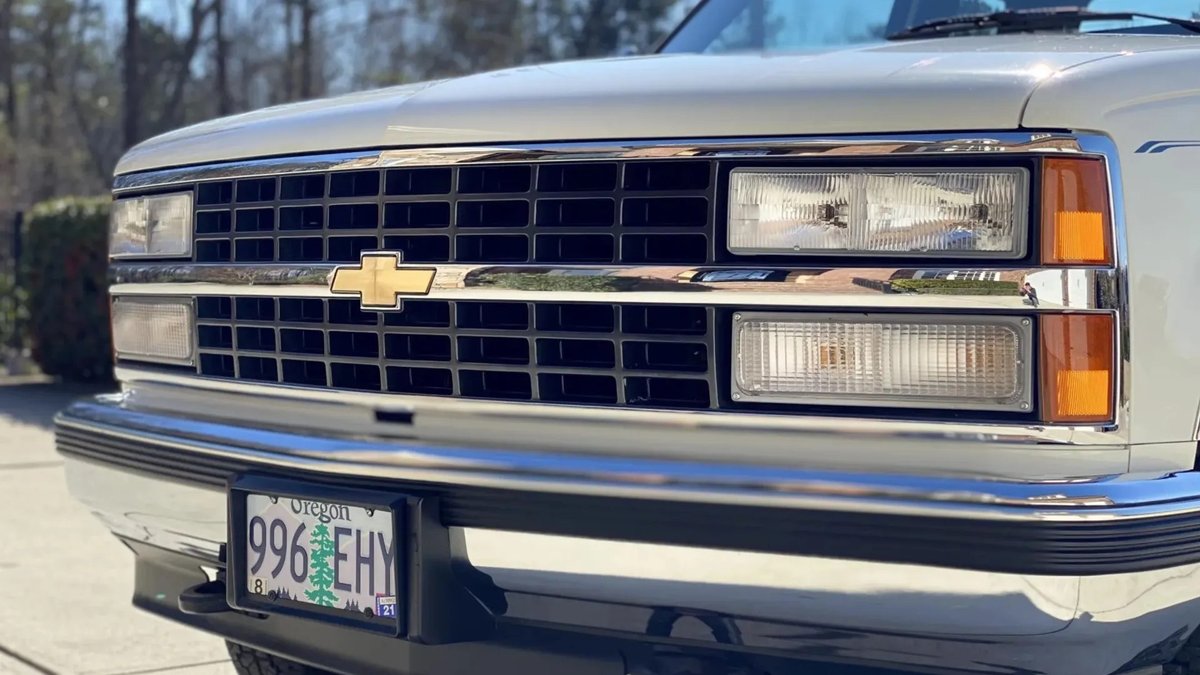
From its debut as the C/K Series’ modern successor in 1999, the Chevrolet Silverado has been a relentless workhorse, a comfortable cruiser, and a consistent innovator in the full-size truck segment. It’s a truck built for capability, reliability, and the demands of everyday life, and much of that prowess stems directly from its continually evolving engine and powertrain. Tracing the Silverado Engine & Powertrain Evolution through its four distinct generations reveals a fascinating journey of power, efficiency, and technological leaps designed to keep drivers ahead of the curve, whether they're towing heavy loads or navigating the daily commute.
At a Glance: Key Takeaways from Silverado's Powertrain Journey
- Vortec Legacy: The first two generations were defined by the robust Vortec V6 and V8 engines, setting early benchmarks for power and durability.
- EcoTec3 Era: The third generation introduced the innovative EcoTec3 lineup, featuring direct injection, cylinder deactivation, and variable valve timing for a blend of power and efficiency.
- Diesel Dominance: Duramax turbo-diesel options expanded, offering immense torque and impressive towing capacities across generations.
- Transmission Advancements: From 4-speed automatics to sophisticated 8-speed and 10-speed units, transmissions have evolved to optimize power delivery and fuel economy.
- Turbo-Four Power: The fourth generation surprised with a powerful 2.7L turbocharged inline-four, proving that smaller engines can deliver significant performance.
- Electric Future: The upcoming Silverado EV marks a radical shift, leveraging GM's ULTIUM platform for instant torque, massive power, and zero emissions.
First-Generation Silverado (1999-2006): Forging the Foundation
When the Chevrolet Silverado officially launched in 1999, it wasn't just a new name; it was a re-imagination of what a modern pickup could be, building on decades of C/K Series heritage. This generation immediately set a high bar for performance and capability, largely thanks to its reliable and potent engine lineup.
Chevrolet understood that truck buyers needed options. The base engine was a venerable 4.3L Vortec V6, delivering a solid 200 horsepower and 260 lb-ft of torque—more than adequate for lighter duty tasks. But the true heart of the Silverado's capability lay in its range of V8 options. You could choose from a 4.8L, 5.3L, or a 6.0L V8, with power outputs spanning a healthy 270 to 300 horsepower and 285 to 360 lb-ft of torque. These Vortec engines quickly earned a reputation for their durability and strong pulling power.
This era also showcased the Silverado's impressive work ethic. A Silverado 1500 HD, properly configured, could achieve a towing capacity of up to 10,300 pounds and manage a payload of 3,129 pounds, making it a serious contender for both personal and professional use. The powertrains were typically mated to a reliable 4-speed automatic transmission, a workhorse in itself that effectively transferred power to the wheels. This blend of robust engines and sturdy transmissions established the Silverado as a benchmark for capability right out of the gate.
Second-Generation Silverado (2007-2013): Refinement and Recognition
The second-generation Silverado, introduced in 2007, didn't reinvent the wheel but rather meticulously polished it. Chevrolet capitalized on the existing strengths, refining the truck's classic design with more aerodynamic and aesthetically pleasing exterior updates. This generation quickly garnered critical acclaim, earning the coveted 2007 Truck of the Year from Motor Trend and the 2007 "North American Truck of the Year" award—a testament to its well-rounded improvements.
Under the hood, the powertrain strategy largely continued the successful formula of the previous generation. The 1500 series retained a choice of four engines, primarily V8s, which were typically paired with a robust 4-speed automatic gearbox. While specific power figures saw incremental gains and refinements, the core strengths of reliability and capability remained paramount. You could still find the trusted Vortec 4.3L V6, along with various iterations of the 4.8L, 5.3L, and 6.0L V8s, ensuring there was an engine to match every need, from basic hauling to heavy towing.
This generation also offered a wider array of body configurations: Regular Cab, Extended Cab, and Crew Cab versions, each with different bed size options. While the powertrain options were consistent across these body styles, the focus was on delivering power reliably, no matter the configuration. For those keen to understand how these earlier models stack up in terms of utility, delving into their original towing capabilities offers valuable insight.
Third-Generation Silverado (2014-2018): The Dawn of EcoTec3 Technology
The third-generation Silverado marked a significant evolutionary leap, not just in design but fundamentally in its engine and powertrain philosophy. Launched in 2014, this generation brought an entirely new, in-house-developed engine lineup, aptly named EcoTec3. This suite of engines was engineered for a new era, prioritizing both robust power and improved fuel efficiency through cutting-edge technologies.
The base engine, a reimagined 4.3L EcoTec3 V6, was anything but basic, delivering a substantial 285 horsepower and 305 lb-ft of torque—a significant jump from its predecessor. Mid-tier options included the incredibly popular 5.3L EcoTec3 V8, churning out a healthy 355 horsepower and 383 lb-ft of torque. For those who demanded top-tier performance, the 6.2L EcoTec3 V8 was the powerhouse, boasting 420 horsepower and an impressive 460 lb-ft of torque.
What made these EcoTec3 engines revolutionary? Every gasoline engine featured direct injection for precise fuel delivery, cylinder deactivation (Active Fuel Management) to save fuel during light loads, and variable valve timing for optimized performance across the RPM range. These technologies transformed how Silverado engines performed, providing power when needed and efficiency when cruising. To fully grasp the advancements, it's worth exploring the intricacies of EcoTec3 technology.
Transmission technology also saw a crucial upgrade. While earlier models often used 6-speed automatics, the 2015 model year saw the 6.2L EcoTec3 V8 paired with a new 8-speed automatic transmission, further enhancing both performance and economy.
For heavy-duty applications, the 2500HD and 3500HD models offered a standard V8 gasoline engine, but the real star for heavy haulers was the optional 6.6L Duramax turbo-diesel. Initially producing 397 horsepower and a colossal 765 lb-ft of torque, this engine was paired with the legendary 6-speed Allison automatic transmission, renowned for its durability and capability. A 3500HD Double Cab with the Duramax could tow an astounding 23,000 pounds and carry a payload of up to 7,222 pounds, supported by features like trailer sway control and an exhaust brake system. The 1500 series models themselves could tow up to 11,500 lbs (V8) or 7,200 lbs (V6), showcasing the generational leap in capability. If you're weighing your options, considering diesel versus gasoline options for heavy hauling is key.
This generation cemented the Silverado's reputation for smart engineering, blending brute strength with intelligent design.
Fourth-Generation Silverado (2019-Present): Expanding the Spectrum
The fourth-generation Silverado, unveiled in 2019, brought a complete redesign that wasn't just skin-deep. While featuring a sleeker aesthetic and more aggressive stance (including distinct Camaro-like headlights on some 2500 models), the core of its evolution was an even broader and more sophisticated powertrain lineup. This generation offered an unprecedented six engine and transmission combinations, ensuring an almost custom fit for any driver's needs.
The 2019 lineup was incredibly diverse:
- 4.3L V6: Still available, delivering 285 hp and 305 lb-ft of torque.
- 2.7L Turbocharged Inline-Four: A significant new entry, this engine surprised many with its robust 310 hp and 348 lb-ft of torque, offering V8-like performance with better fuel economy. By 2024, this base engine, now dubbed TurboMax, significantly boosted its torque to an impressive 430 lb-ft.
- 5.3L V8: Continued as a popular choice with 355 hp and 383 lb-ft of torque.
- 6.2L V8: The top gasoline performer, maintaining its 420 hp and 460 lb-ft of torque.
- 3.0L Turbo-Diesel: A new, lighter, and more advanced Duramax option. By 2024, this powerful 3.0L turbo-diesel engine produced an exceptional 305 hp and 495 lb-ft of torque, enabling a remarkable towing capacity of up to 13,300 lbs.
The advanced transmission options also continued to evolve, with 8-speed and even 10-speed automatics becoming more prevalent, especially with the higher-output V8s and the new diesel. These transmissions, alongside the electric power steering introduced in the prior generation, provided a smoother, more responsive driving experience. Understanding the nuances of various transmission types helps appreciate these advancements.
Beyond raw power, this generation focused heavily on integrated technology. The interior received significant upgrades, especially with the 2022 Silverado 1500 refresh, featuring a 12.3-inch digital instrument panel, a large 13.4-inch touchscreen infotainment system, and advanced connectivity like a 4G LTE Wi-Fi hotspot. Safety and driver-assist features also saw massive enhancements, including Super Cruise hands-free driving technology on select trims and sophisticated trailering technologies. For enthusiasts looking to push the boundaries, there are always avenues for performance upgrades that can tap into this generation's substantial potential.
This generation of Silverado is a testament to Chevrolet's commitment to continuous improvement, offering an unmatched breadth of powertrains and features, alongside a rugged new aesthetic. For a broader overview of how all these changes fit into the larger narrative, Explore Silverado generations in detail.
Future: The 2024 Chevrolet Silverado EV – Electrifying the Workhorse
Looking ahead, the Silverado is poised for its most radical powertrain transformation yet: an all-electric future. Unveiled in 2022, the 2024 Chevrolet Silverado EV is built on GM's groundbreaking ULTIUM platform, signaling a profound shift from combustion engines to electric motors. This isn't just a new engine; it's an entirely new way of powering a truck, promising instant torque, zero emissions, and incredible performance.
The Silverado EV will launch with two primary trims: the Work Truck (WT) and the luxurious RST First Edition. Both models feature dual motors and standard four-wheel drive, leveraging the ULTIUM platform's flexibility.
- Silverado EV RST First Edition: This top-tier model redefines truck performance. With 754 horsepower and a staggering 785 lb-ft of instant torque (achieved with Wide Open Watts Mode), it can rocket from 0-60 mph in under 4.5 seconds. The RST model boasts an impressive 10,000-lb trailering capacity and a 1,500-lb payload, all while offering sophisticated Performance Torque Vectoring e4WD for superior handling.
- Silverado EV WT (Work Truck): Designed for maximum utility, the WT model offers substantial power with 510 horsepower and 615 lb-ft of torque. It comes with a standard towing capacity of 8,000 lbs, with an optional max towing capacity pushing an incredible 20,000 lbs (9,071 kg), alongside a 1,300-lb (590 kg) payload.
Both EV models also feature a four-wheel steering system for enhanced maneuverability, particularly useful for navigating tight spaces or trailering. Unique features like a spacious front trunk ("frunk") and an optional 10.2 kW offboard power system on the WT highlight the innovative utility of electric trucks. The Silverado EV promises substantial range and rapid charging capabilities, effectively blending the traditional Silverado's workhorse capabilities with the benefits of an electric powertrain. This marks not just an evolution, but a revolution in the Silverado's powertrain story.
Choosing Your Silverado Powertrain: A Journalist's Perspective
Navigating the vast array of Silverado engine and powertrain options can feel like a complex task, but it ultimately boils down to aligning the truck's capabilities with your specific needs. Are you primarily using it for light duty, commuting, and occasional hauling? An efficient V6 or the powerful 2.7L TurboMax might be your sweet spot, offering a surprising punch with respectable fuel economy. The 5.3L V8 remains the perennial favorite for good reason, providing an excellent balance of power, towing capacity, and everyday drivability.
For serious towing and heavy payloads, especially if you're frequently hauling over 10,000 pounds or spending long hours on the road, the Duramax turbo-diesel is an undisputed champion. Its immense torque and robust construction are engineered for sustained heavy work. If you're looking to the future and value cutting-edge technology, instant power, and environmental consciousness, the Silverado EV presents a compelling new frontier, promising to reshape how we think about truck performance and utility.
Ultimately, Chevrolet’s commitment to iterating and innovating its Silverado powertrains through the decades means there's a perfect configuration for nearly every owner. The key is to honestly assess your requirements and choose the powertrain that empowers you to do more, effortlessly and reliably.